
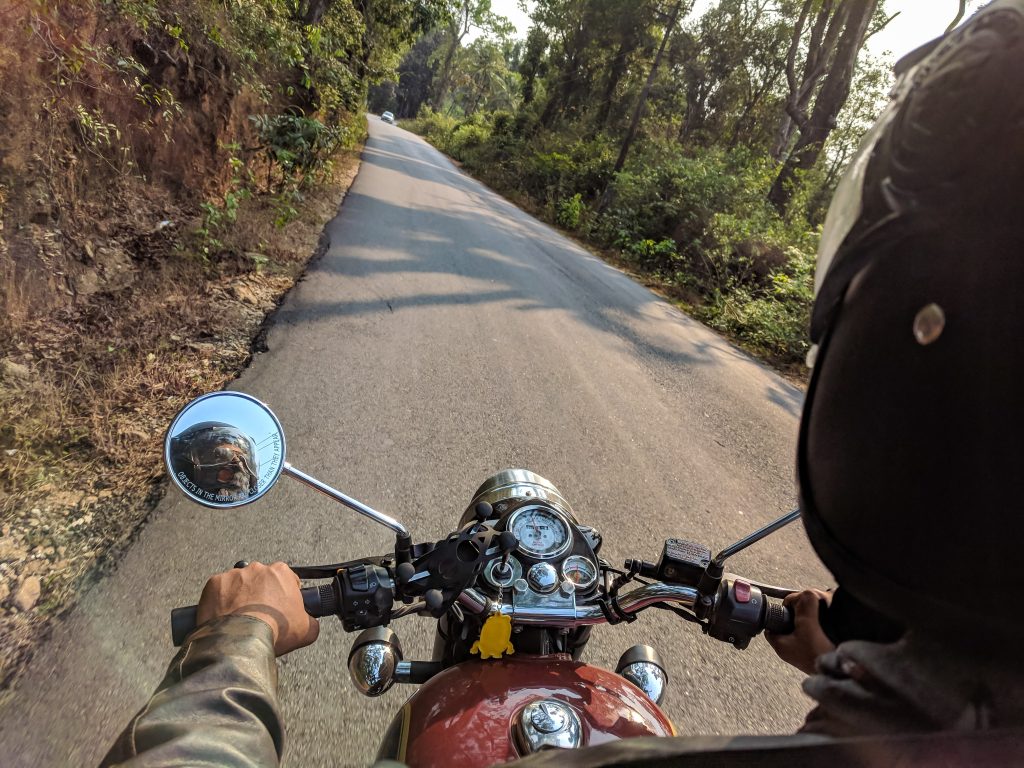
Riding a motorcycle is an exhilarating experience, but it comes with its own set of risks. That’s why safety should always be your top priority when hitting the open road. One crucial piece of safety gear that no rider should ever skimp on is the motorcycle helmet. However, choosing the right size helmet isn’t as simple as picking one off the shelf and hoping for the best. In this guide, we’ll take you through the essential steps to find a helmet that not only fits your head but also ensures your safety, comfort, and style.
The Importance of a Properly Fitting Helmet
Before we dive into the nitty-gritty of selecting the right size motorcycle helmet, let’s emphasize why it’s crucial to wear a properly fitting helmet in the first place. A helmet is your primary defense against head injuries in case of an accident. The right fit ensures that it stays securely in place, protecting your noggin from the forces that come with high-speed crashes and sudden stops.
Imagine wearing a helmet that’s too loose. In an accident, it could easily fly off, leaving your head exposed to potential harm. On the other hand, a helmet that’s too tight might cause discomfort or even restrict your ability to concentrate on the road. It’s like trying to squeeze your foot into a shoe that’s two sizes too small – uncomfortable and dangerous.
Measuring Your Head
The journey to finding the perfect motorcycle helmet starts with measuring your head. Grab a flexible measuring tape and follow these steps:
- Wrap the tape around your head: Start just above your eyebrows and circle the tape around your head, ensuring it’s parallel to the ground.
- Measure at the widest point: Take note of the measurement at the widest point – usually just above your ears and across your forehead.
- Check the fit: Make sure the tape is snug but not overly tight. You want an accurate measurement without squeezing your head too much.
Once you have your head’s circumference, consult the sizing chart provided by the helmet manufacturer. Different brands and models might have slight variations in sizing, so always check the specific chart for the helmet you’re interested in.
Helmet Sizing: A Matter of Inches
Helmet sizing typically falls into categories such as Small, Medium, Large, and Extra-Large. These categories correspond to the measurements you’ve taken. Here’s a general guideline:
- Small: Head circumference of 20.9 to 21.3 inches (53-54 cm).
- Medium: Head circumference of 21.7 to 22 inches (55-56 cm).
- Large: Head circumference of 22.4 to 22.8 inches (57-58 cm).
- Extra-Large: Head circumference of 23.2 to 23.6 inches (59-60 cm).
Remember, these measurements are approximate, and it’s essential to consult the manufacturer’s sizing chart for the specific helmet you’re interested in. Motorcycle helmet brands may vary slightly in their sizing, so it’s always wise to double-check.
Trying It On: The Fit Test
Now that you have an idea of your helmet size, it’s time to try some on. Visiting a local motorcycle gear shop is your best bet for this step, as you can physically try on helmets and get expert advice from the staff. Here’s how to perform the fit test:
- Put it on: Gently place the helmet on your head, making sure it’s level and doesn’t sit too low or too high. The cheek pads should touch your cheeks without being overly tight.
- Secure the chin strap: Fasten the chin strap snugly, but not so tight that it’s uncomfortable. You should be able to fit one or two fingers between your chin and the strap.
- Check the fit: With the chin strap secured, try moving the helmet side to side and up and down. It should stay in place and not shift around. If it moves easily, it’s too big.
- Feel the pressure: A properly fitting helmet should feel snug but not painful. You may notice a slight pressure on your cheeks and temples, but it shouldn’t be unbearable.
- Check the visibility: Ensure that the helmet’s eye port allows you to have a clear and unobstructed view of the road ahead. Your peripheral vision should not be restricted.
Assessing the Fit
The fit test is crucial because it determines whether a helmet is suitable for you or not. Here are some key points to keep in mind while assessing the fit:
Comfort is key:
Your helmet should feel comfortable, even after wearing it for an extended period. Discomfort can be distracting and could affect your concentration on the road.
Cheek pads:
The cheek pads should provide a snug but not overly tight fit against your cheeks. They may initially feel snug, but they should not cause pain or excessive pressure.
Pressure points:
Pay attention to any pressure points or hotspots on your head. If you feel any discomfort, it’s a sign that the helmet may not be the right fit for your head shape.
No gaps:
There should be no noticeable gaps between your head and the helmet’s liner. Gaps can reduce the helmet’s effectiveness in protecting you during an accident.
Secure chin strap:
The chin strap should be securely fastened, keeping the helmet in place. If it’s too loose, the helmet can easily come off in an accident.
Stability:
The helmet should stay in place, even when you shake your head or move it around. If it shifts easily, it’s too big and won’t provide adequate protection.
Helmet Shape Matters
Helmet fit isn’t just about size; it’s also about shape. People have different head shapes, and not all helmets are designed to accommodate them equally. The three main helmet shapes are:
- Long Oval: These helmets are designed for riders with longer, more narrow heads.
- Intermediate Oval: Most helmets on the market are designed to fit intermediate oval head shapes, which are slightly longer front-to-back and slightly narrower side-to-side.
- Round Oval: These helmets are designed for riders with rounder heads, with similar front-to-back and side-to-side dimensions.
To determine your head shape, you can ask a knowledgeable salesperson at a motorcycle gear store or refer to the manufacturer’s information. Understanding your head shape is crucial because a helmet that matches your shape will provide a more comfortable and secure fit.
Additional Considerations
Beyond size and shape, there are a few other factors to consider when choosing a motorcycle helmet:
Safety certifications:
Ensure that the helmet you choose complies with safety standards such as DOT (Department of Transportation) or ECE (Economic Commission for Europe). These certifications indicate that the helmet meets minimum safety requirements.
Helmet type:
Consider the type of riding you’ll be doing. Full-face helmets provide the most protection and are suitable for all types of riding. However, if you prefer an open-face or half-helmet, make sure it still meets safety standards and fits correctly.
Ventilation and comfort features:
Look for helmets with adequate ventilation to keep you cool during hot rides. Additionally, features like removable and washable liners can enhance comfort and hygiene.
Style and design:
While safety should always be the top priority, there’s no harm in choosing a helmet that matches your style and personality. Many helmets come in various colors and designs, so you can find one that suits your taste.
Maintaining Your Helmet’s Fit
Once you’ve found the perfect helmet, your journey doesn’t end there. It’s essential to maintain the fit and condition of your helmet throughout its lifespan:
- Inspect it regularly: Check for any signs of wear and tear, such as loose padding or damaged straps. Replace any worn-out parts promptly.
- Clean it properly: Follow the manufacturer’s cleaning instructions to keep your helmet fresh and hygienic. A dirty helmet can deteriorate faster and may not provide optimal protection.
- Replace when necessary: Helmets have a limited lifespan due to wear and tear. Replace your helmet if it’s been involved in a crash, shows visible signs of damage, or reaches its recommended expiration date.
In Conclusion
Choosing the right size motorcycle helmet is not just about comfort and style; it’s a matter of safety and protection. Your helmet is your shield on the road, and it’s crucial to get it right from the start. Remember to measure your head accurately, try on different helmets to find the perfect fit, and consider factors like head shape, safety certifications, and riding type.
Once you’ve found the ideal helmet, take good care of it to ensure it continues to provide the protection you need. And always remember that safety comes first when you’re out riding. So, gear up, buckle your helmet securely, and hit the road with confidence, knowing you’ve made the right choice to protect your most precious asset – your head.
Now that you’re equipped with the knowledge to choose the right helmet, why not browse through some of our recommended helmets using the affiliate links below? Your safety and comfort are worth the investment. Happy riding!